“Can you just do the logo, the website, some social posts, ads, and also manage our brand voice?”
One of the biggest problems in small businesses—and even some startups—is the assumption that one hire or freelancer can wear every hat in the creative industry.
The truth? Behind every successful brand or marketing campaign is a team of minds who each think differently, solve different problems, and bring different expertise.
Even a small design agency usually divides these functions across specialists. Here’s a breakdown of who does what—and how each role thinks, works, and adds value.
🎯 Creative Director – The Visionary Leader
What they do:
Owns the creative direction of the brand or project. They don’t just make things look good—they decide what “good” even means for the brand. They define the why, how, and what of the entire creative output.
Example: A Creative Director decides the brand’s aesthetic will be rooted in 1960s Americana to appeal to a nostalgic, freedom-loving audience. Every decision—colors, fonts, music, messaging—funnels through this lens.
Their background: Often 10+ years in design, branding, or advertising. They’ve done the work themselves before—they’ve art directed, designed, written, and presented—and now they orchestrate.
How they think: Strategic. Emotional. Brand-forward. Every decision is filtered through brand values and long-term perception.
🎨 Art Director – The Visual Strategist
What they do:
Brings the Creative Director’s vision to life visually. They decide what a campaign looks like—what kind of photography to use, how type should be spaced, how to lay out packaging or a website homepage. They manage designers and maintain visual consistency.
Example: If the brand identity is “rustic but refined,” the Art Director chooses weathered textures, serif fonts with high contrast, and guides the photographer to shoot in soft natural light.
Their background: Often comes up as a senior designer with a strong visual eye. They understand design principles, layout hierarchy, photography, and sometimes motion or UI.
How they think: Detail-oriented. Emotion through visuals. Consistency over time. They see things most people miss.
🤝 Account Manager – The Client Compass
What they do:
Acts as the translator between the client and the creative team. Keeps projects on track, timelines tight, budgets respected, and feedback loops clear. They are relationship managers and expectation wranglers.
Example: The Account Manager hears the client say “make it pop” and helps the team understand this really means “increase the contrast and add energy to the layout.” They also manage scope and handle tough conversations when timelines or revisions creep.
Their background: Often has a background in marketing, communications, or business. Not always creative, but deeply attuned to client goals.
How they think: Organized, diplomatic, service-focused. A good one can make or break client trust.
🧠 Brand Strategist – The Business Interpreter
What they do:
Before any visuals get made, the Brand Strategist digs deep into the business, target audience, competitors, and goals to define positioning, tone, messaging, and brand personality. They provide the map before the team starts building.
Example: A strategist might position a skin care brand as “clinical meets luxury,” and define its voice as “gentle authority.” This informs how designers, writers, and the entire brand speaks.
Their background: Marketing, research, psychology, or brand consulting. They understand audience behavior and brand architecture.
How they think: Systems-driven. Audience-aware. Always asking: What problem are we solving?
💻 Graphic Designer – The Visual Workhorse
What they do:
Creates the actual assets—logos, social media graphics, packaging, brochures, slide decks, signage, and more. They take strategy and direction and turn it into tangible designs.
Example: The Graphic Designer uses the brand’s approved type system and color palette to design a postcard that aligns with the new campaign while meeting printer specs and USPS mailing regulations.
Their background: Design school or self-taught with a strong portfolio. Proficient in Adobe Creative Suite, Canva, or Figma.
How they think: Visual problem-solver. Layout tactician. Focused on making ideas work on the page or screen.
✍️ Copywriter – The Voice of the Brand
What they do:
Crafts the words: headlines, slogans, website copy, packaging blurbs, ad scripts, and more. Good copywriters don’t just write—they communicate. They make sure the message connects.
Example: For a farm-to-table meat company, a copywriter might write:
“Honest meat. Raised right. Delivered straight to your door.”
Short, clear, and emotionally anchored.
Their background: English, journalism, or advertising. Great ones are also brand strategists in disguise.
How they think: Audience-first. Word-conscious. Obsessed with clarity and tone.
📣 PR Specialist – The Relationship Builder
What they do:
Manages the public image of a brand through media outreach, press releases, influencer relations, and event coordination. They help shape how the outside world talks about the brand.
Example: A PR specialist might get a boutique skincare line featured in a “Top 10 Women-Owned Brands to Watch” article in a national publication.
Their background: Communications, journalism, or public affairs. They’re part matchmaker, part storyteller.
How they think: Opportunity-driven. Networked. Always pitching and framing stories.
🧾 Production Manager / Buyer – The Maker of Things
What they do:
Sources vendors, manage estimates, handles pre-press file setups, orders packaging or signage, and ensures final products are made accurately, affordably, and on time.
Example: For a branded mailer campaign, they coordinate with a printer to ensure correct folding, finishes (like spot UV), and mailing timelines.
Their background: Print production, manufacturing, or logistics. Often overlooked, but vital.
How they think: Budget-savvy. Detail-obsessed. Focused on execution and quality.
☕ Interns & Junior Designers – The Next Generation
What they do:
Support roles for production tasks, research, layout cleanup, content gathering, or smaller design pieces. Also bring fresh perspective and hunger to learn.
Example: An intern might gather images for a mood board, update an existing brochure, or assist on a photo shoot.
Their background: Recent grads or students in design, marketing, or communications.
How they think: Curious, eager, growing. High energy, low experience (for now).
🧭 The Reality of Wearing Many Hats
You might be thinking:
“Wait… I’m just one person. Are you saying I need a full team to build my brand?”
Not necessarily.
It’s true that these roles exist for a reason—each one contributes a unique skillset and perspective. But it’s also true that some experienced professionals have intentionally developed cross-disciplinary expertise.
For example:
- A Brand Strategist with a background in copywriting and design might craft a brand’s position and develop its visual identity.
- An Art Director who understands marketing strategy can steer creative that isn’t just beautiful—but effective.
- A Copywriter who’s worked inside agencies may also guide messaging architecture and even campaign direction.
🎯 That’s where I come in.
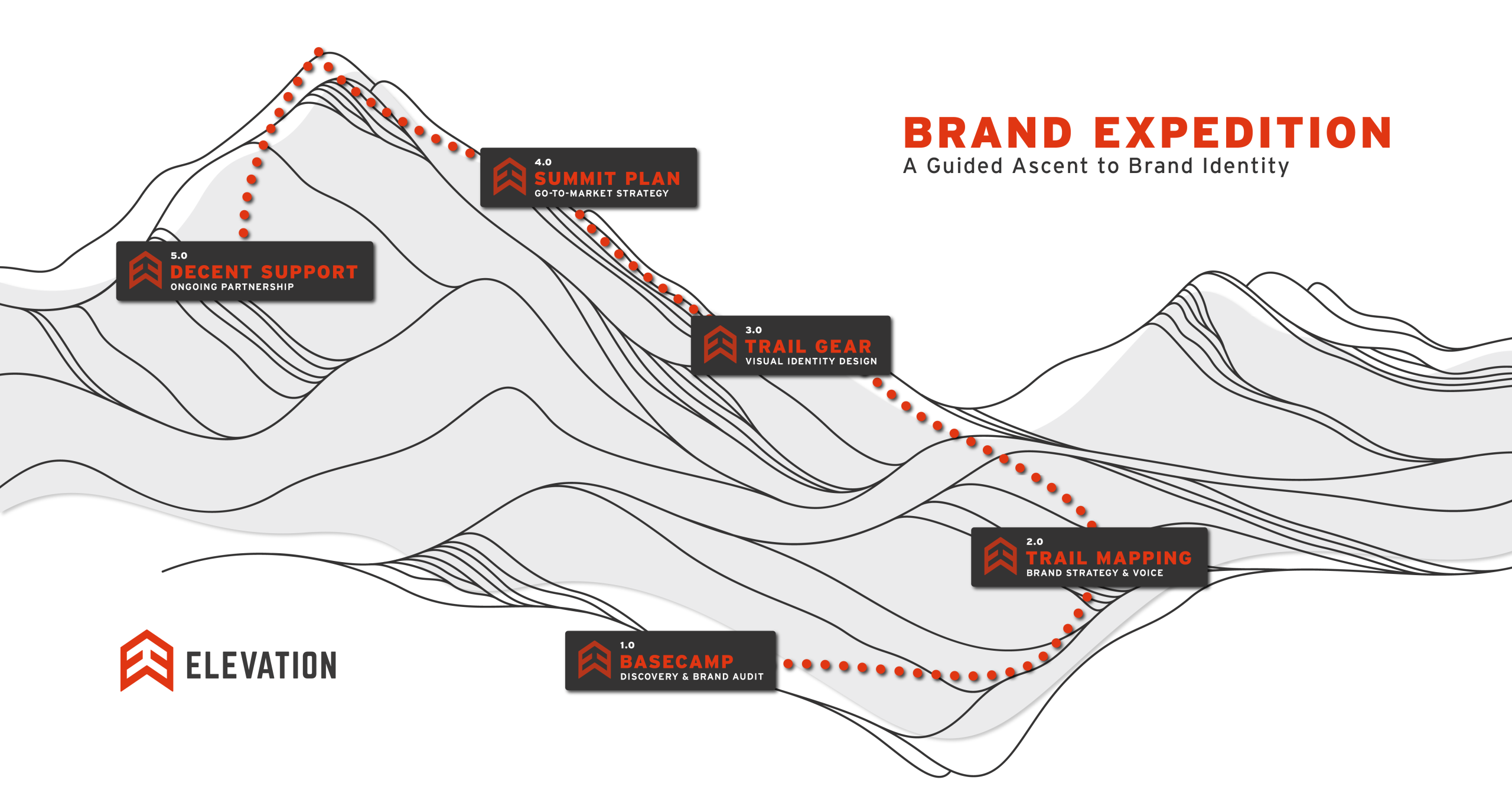
I run a boutique design studio that doesn’t outsource the heart of your brand. I specialize in brand strategy, copywriting, design, and art direction—which means I’m not just making things look good, I’m helping you build something that works.
I’ve worn the hats.
I’ve built the brands.
And I’ve been in the room where ideas become campaigns that actually move people.
But here’s the key difference:
I don’t pretend to do everything. I don’t manage your Facebook ads. I don’t run your PR outreach. I don’t juggle 18 services just to land a sale.
Instead, I bring the most essential brand-building roles under one roof—strategy, voice, visuals, and direction. The foundation. The stuff that lasts.
So what’s the takeaway?
📌 If you’re hiring someone to “do your marketing,” ask what hats they truly know how to wear.
📌 Respect the work behind each role—even if one person holds multiple titles.
📌 And if you want a guide who can lead you through brand building with intention and creative clarity, that’s where I thrive.
Let’s build something with purpose.
Not just pixels.